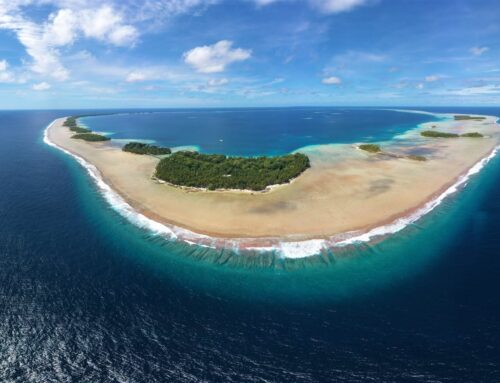
Tamana is the smallest island in Kiribati’s Gilbert Islands group, with a population of just over 1,000 people. The island is accessible by a single weekly Air Kiribati flight and occasional boat services. Its medical centre at Bakaaka village is the only health facility serving the entire community. Like all of Kiribati’s outer islands, Tamana relies on central supplying medicines from Tarawa more than 500 kilometres to the north.
The challenge of supplying medicines across 3.5 million square kilometres
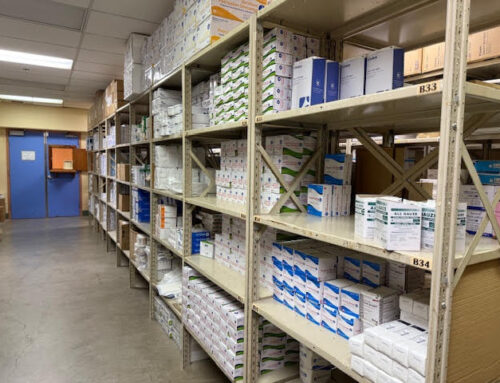
Kiribati is one of the most geographically dispersed countries in the world. Its 21 inhabited islands are spread across 3.5 million square kilometres of ocean, making coordinated health service delivery a logistical challenge. For health workers on outer islands like Tamana, getting the medicines and supplies their patients need has long depended on infrequent transport links and limited visibility into what is available, and when it is running low.
The consequences of gaps in supplying medicines are felt across the full range of health conditions. Non-communicable diseases including diabetes, hypertension, and cardiovascular disease place a significant and growing burden on the health system. Stock outs of essential medicines for these conditions are not just inconvenient, they directly affect patient outcomes. Reproductive and sexual health supplies have also historically been difficult to maintain on outer islands, despite sustained demand from communities. Without reliable data on what is in stock at the facility level, ordering decisions are made on estimates of supplying medicines, rather than evidence. Resupply can arrive too late, in the wrong quantities, or not at all.
A broader push for digital transformation on Tamana Island
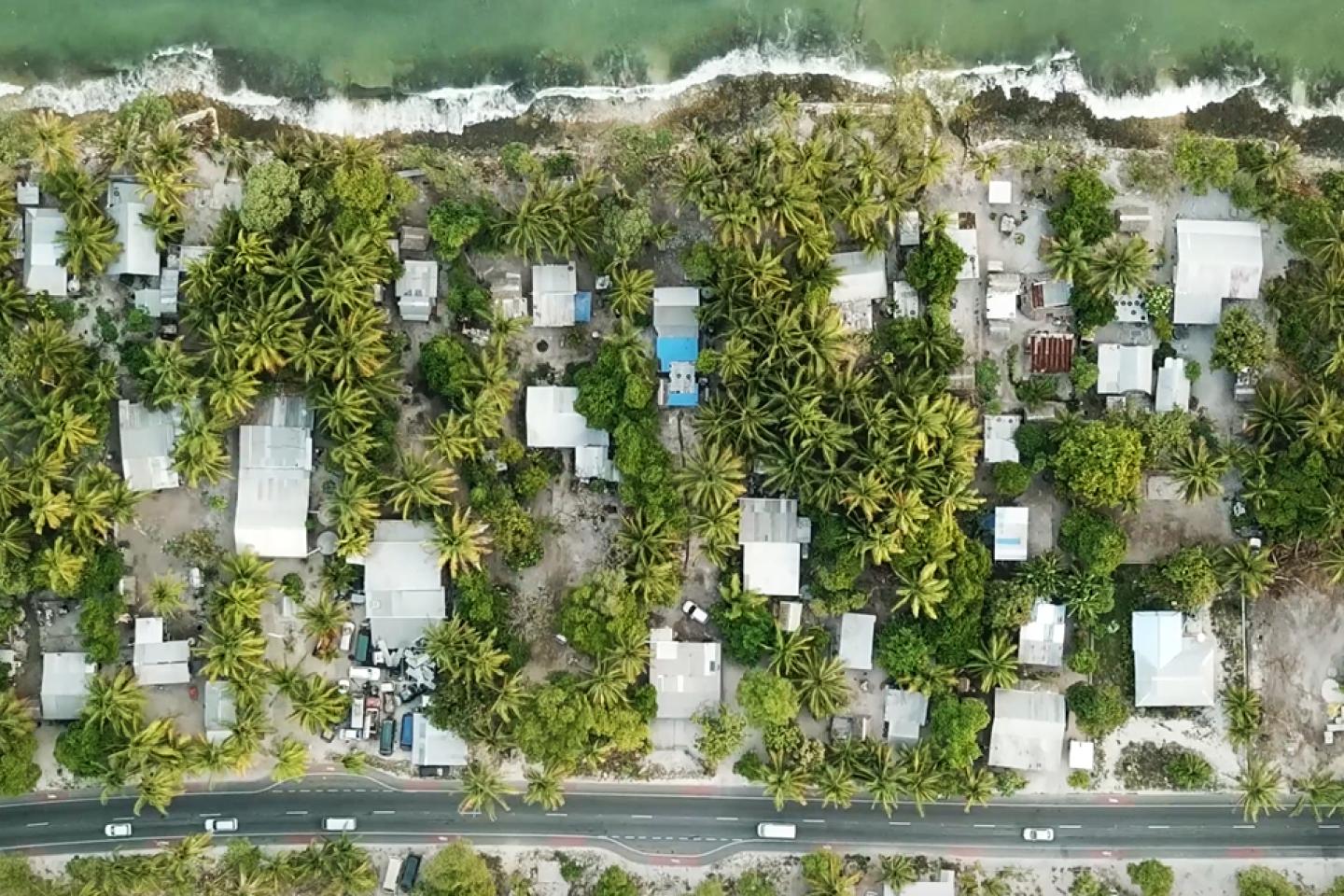
The deployment of Open mSupply sits within a wider effort to bring digital services to Tamana. The Smart Island Project a joint UN programme by the Joint SDG Fund, led by the International Telecommunication Union (ITU) in partnership with Kiribati’s Ministry of Information, Communication, and Technology; has been working to expand Wi-Fi connectivity, build community digital literacy, and strengthen digital health services on the island, including through a partnership with the Ministry of Health. The project is also designed as a replicable model for other outer islands across Kiribati. This improved connectivity and growing digital capability on Tamana makes this the right moment to introduce digital supply chain management at the medical centre.
What Open mSupply does
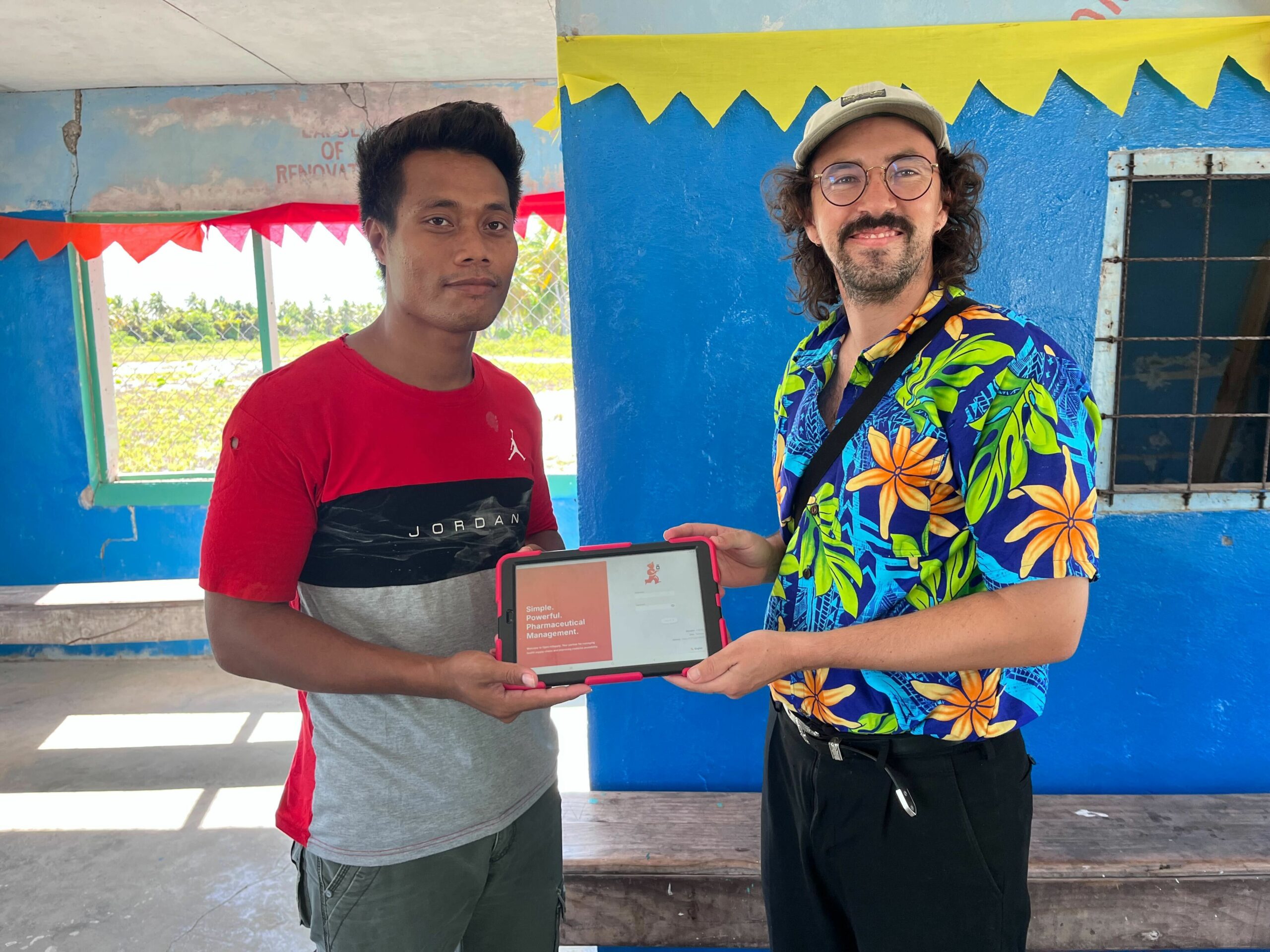
Open mSupply is an open-source Logistics Management Information System (LMIS) developed by the mSupply Foundation. It is used in health facilities across the Pacific and beyond to manage supplying medicines and medical supplies, from national warehouses all the way to remote clinics. The system is built to work reliably in low-resource environments with limited or intermittent internet connectivity.
With Open mSupply, health workers can:
- Record stock transactions digitally: goods received, items dispensed, stock takes completed
- Access automatic reorder suggestions based on real consumption data
- Synchronise stock data with the central supply system in Tarawa
- Have actionable data to reduce both stock outs and wasteful over-ordering
- Kiribati Government Pharmacy in Tarawa, the system provides near real-time visibility into what is on the shelf at Tamana’s medical centre so resupply decisions are based on data, not guesswork.
What this means for Tamana Island
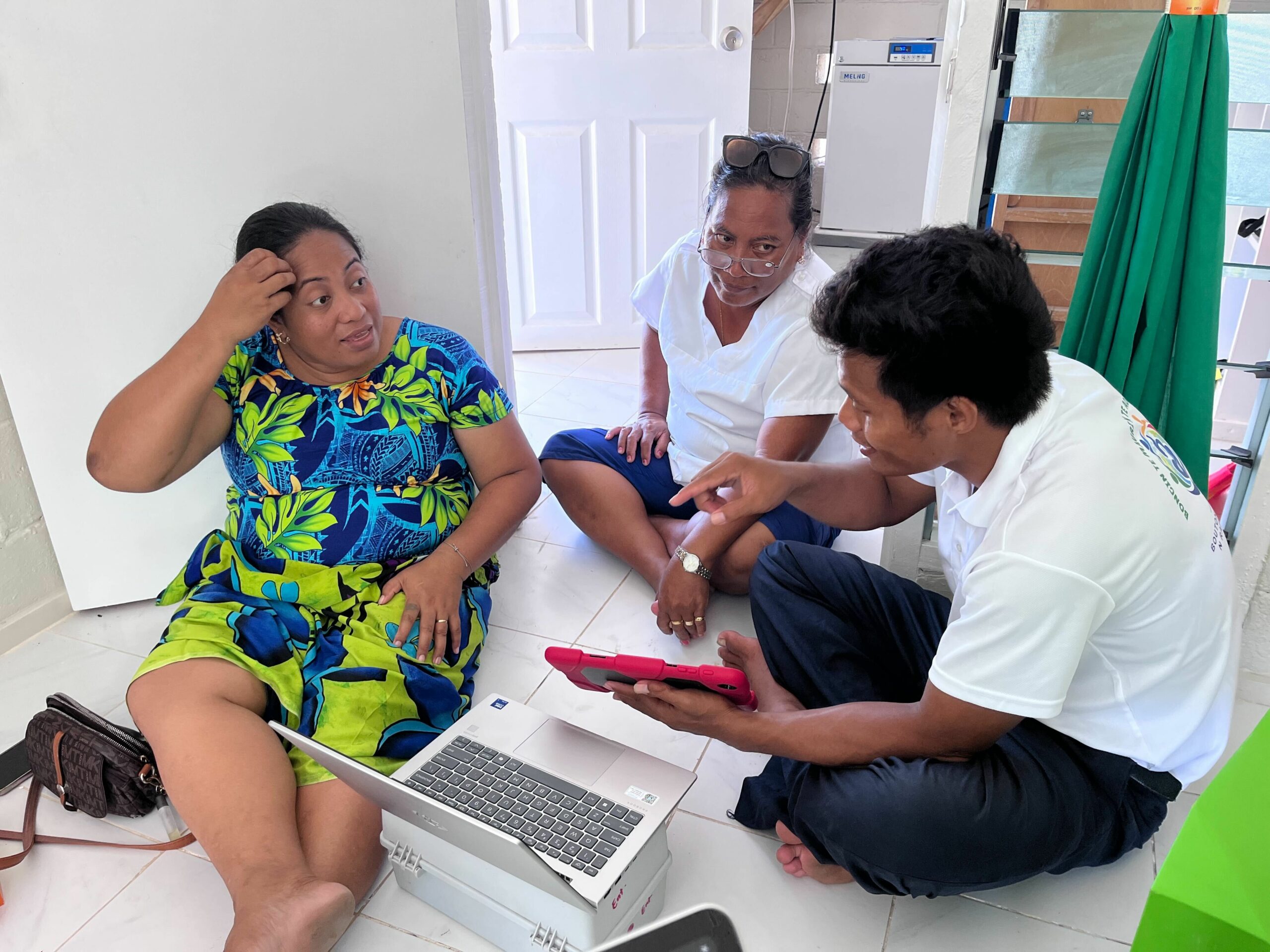
For health workers at Tamana’s medical centre, Open mSupply reduces the time spent on manual stock counts and paper-based ordering, freeing up more time for patient care. For the community, it means greater confidence that essential medicines for diabetes, hypertension, maternal health, and reproductive health will be available when needed.
The Tamana deployment is also an important step in demonstrating that digital health supply chain tools can work at the last mile, in the most remote settings, with limited resources, and with real benefit to patients and health workers alike.
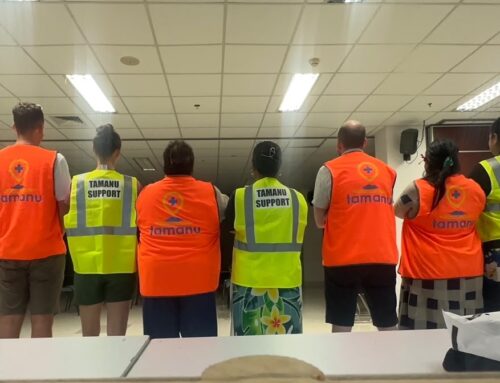
Tamanu is a free and open-source Electronic Medical Record, recognised as a global digital good for health. It is supported in Kiribati by the Government of Kiribati, MHMS, and the Australian Department of Foreign Affairs and Trade’s Global Health Division, through the Partnerships for a Healthy Region (PHR) Initiative.
Featured image caption: Ariel shot of Tamana Island, part of the Gilbert Island group in Kiribati. Supplied by UNDP PO Kiribati.