
Essential medicines, even in the most remote settings
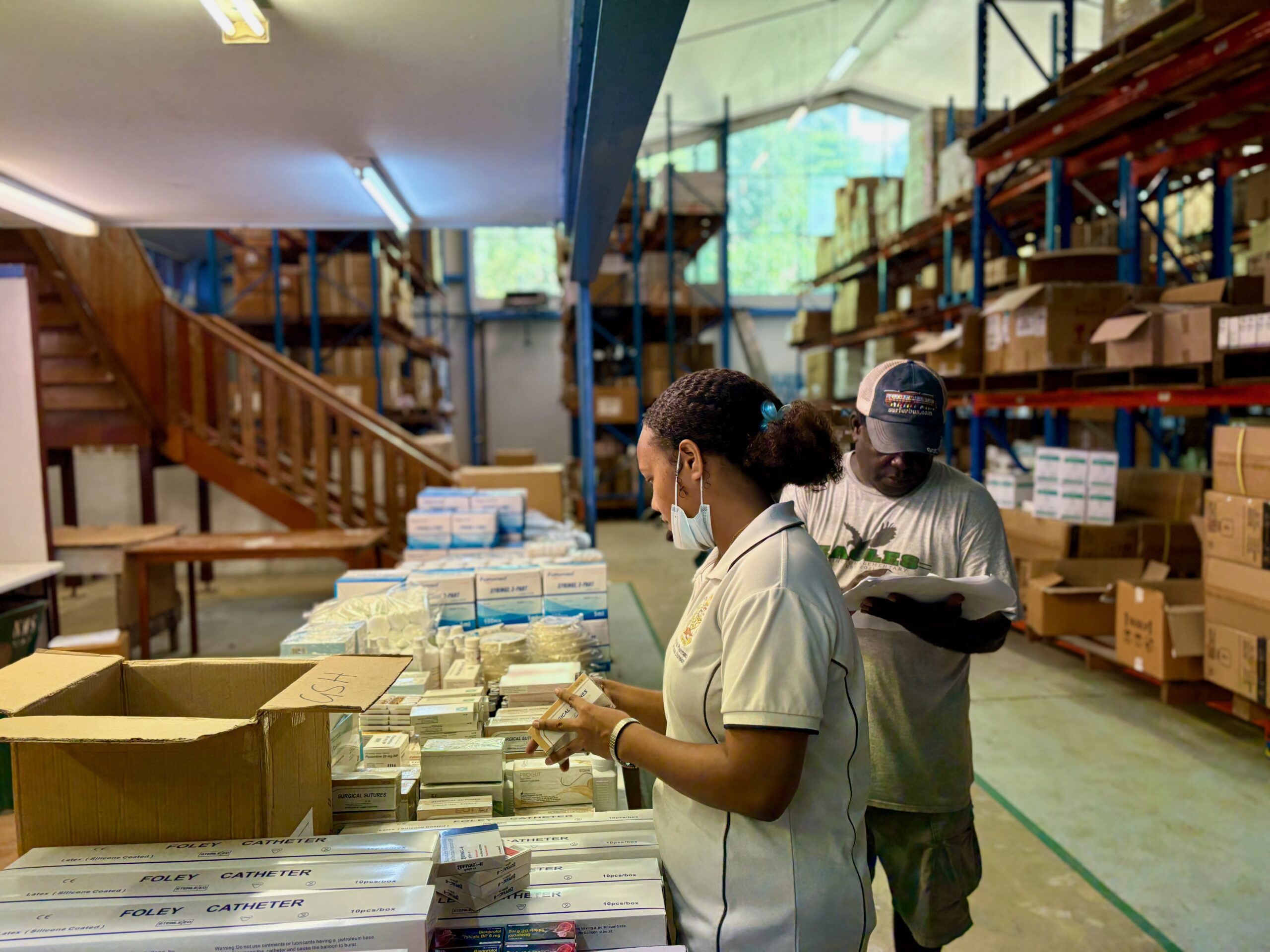
We build local capacity and better logistics systems so medicines reach people when and where they're needed.
Experienced specialists
Reform projects in 15 countries across three continents, including Cambodia, Solomon Islands, Fiji, Samoa and Vanuatu. Our team often works embedded within Ministries of Health, from policy through to last-mile delivery.
What we do
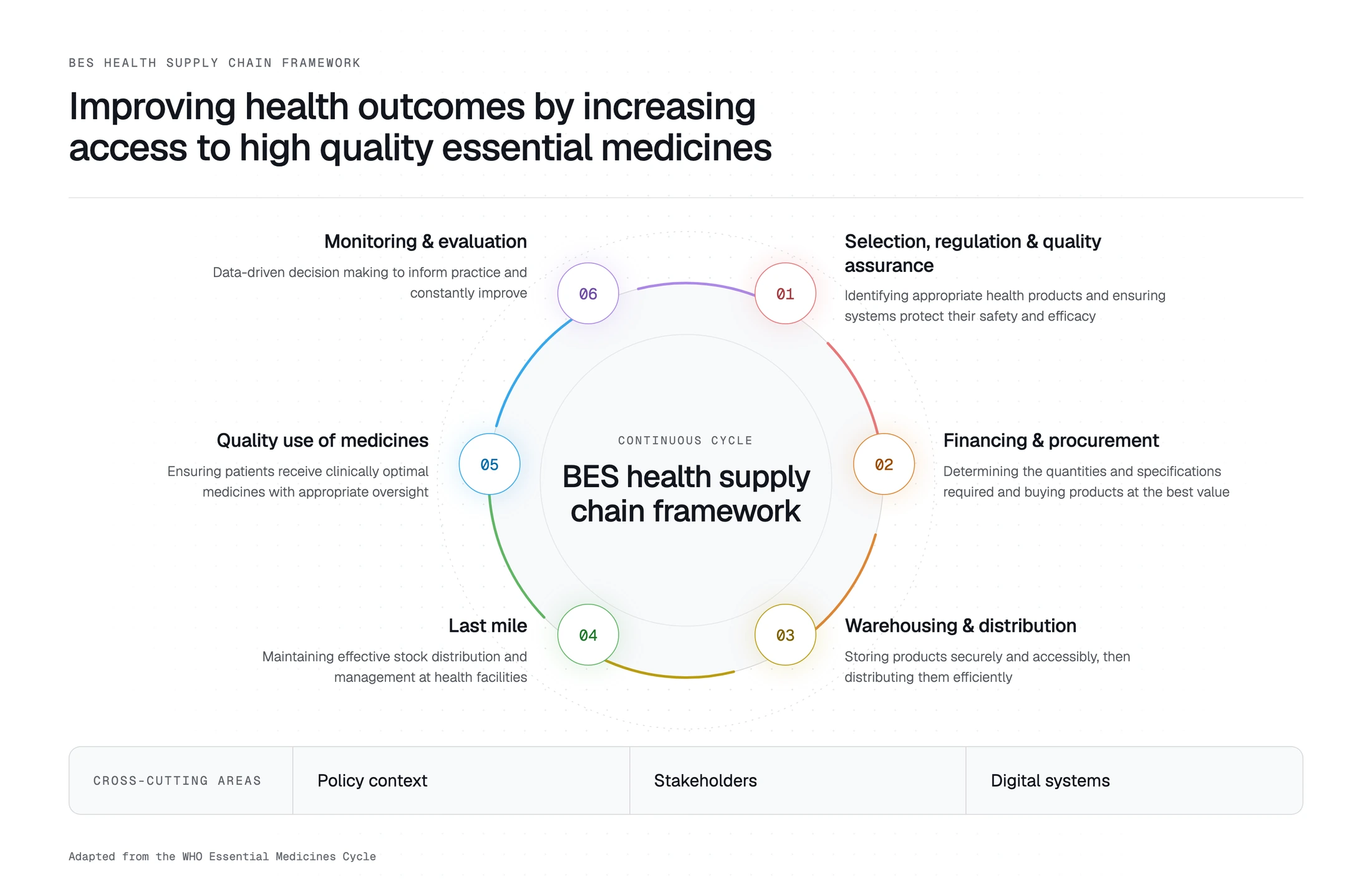
Assessment and reform
Our flagship assessment delivers a costed reform plan, and we can help implement it.
Policy and medicines selection
Medicines policies, Essential Medicines List reviews and quality use of medicines.
Procurement, distribution and stock
Procurement planning, distribution plans and stock management.
Digital systems
Logistics information systems, from requirements to rollout.
Staff training
Practical, on-the-job training from warehouse to last mile.
Our impact
Read more impact stories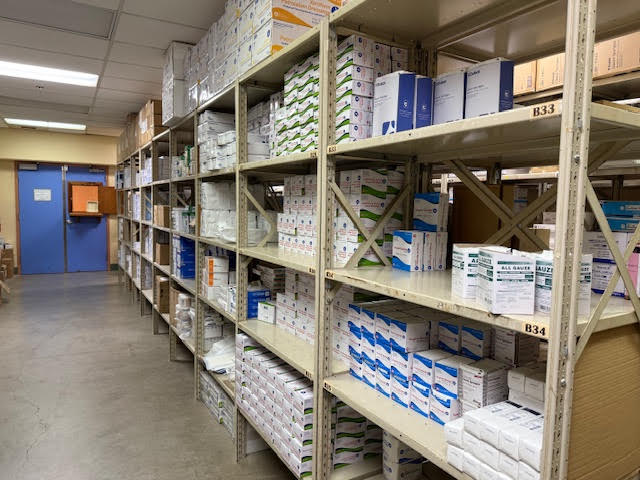
Digitising medical supplies ordering in Palau
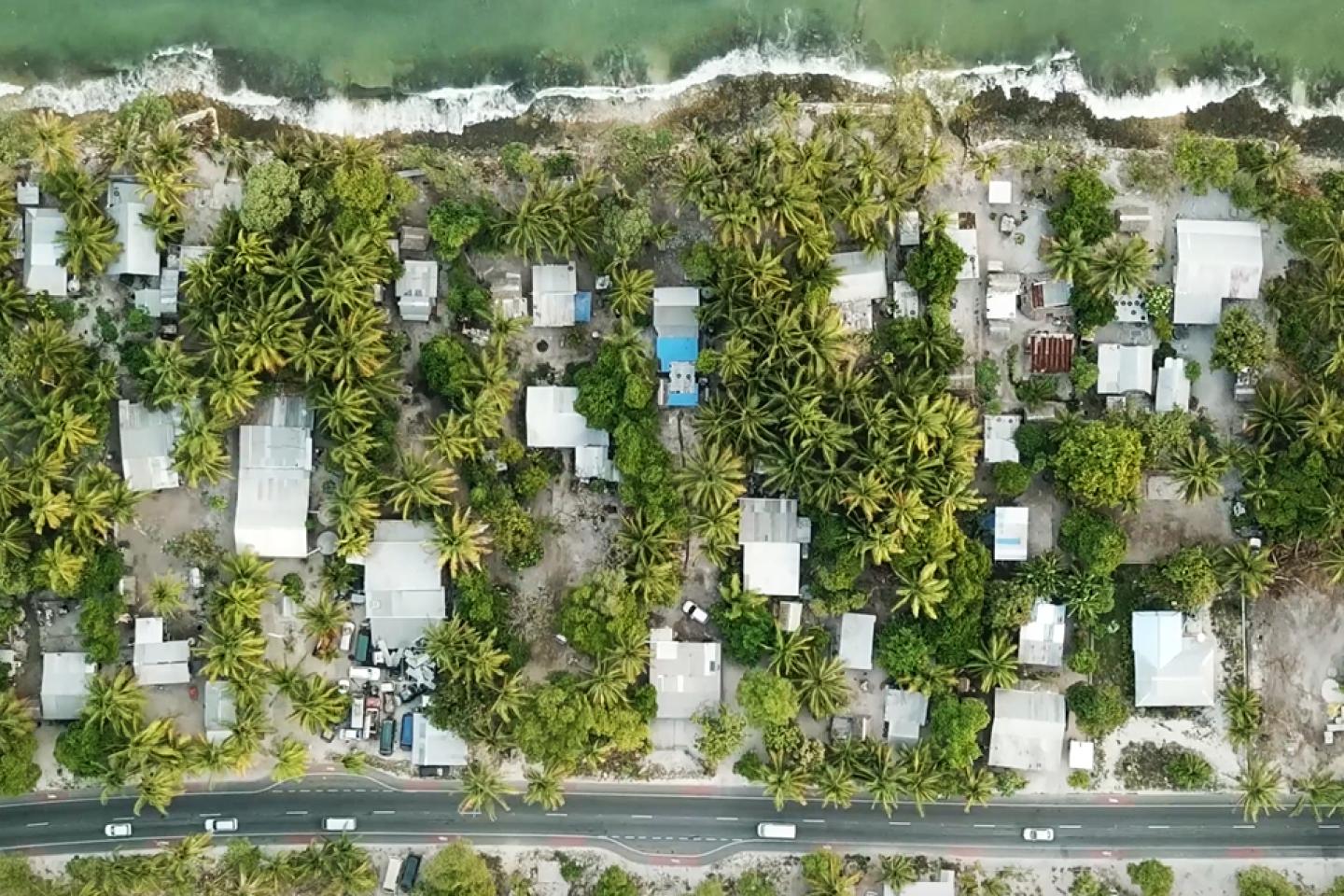
The challenge of supplying medicines across 3.5 million square kilometres
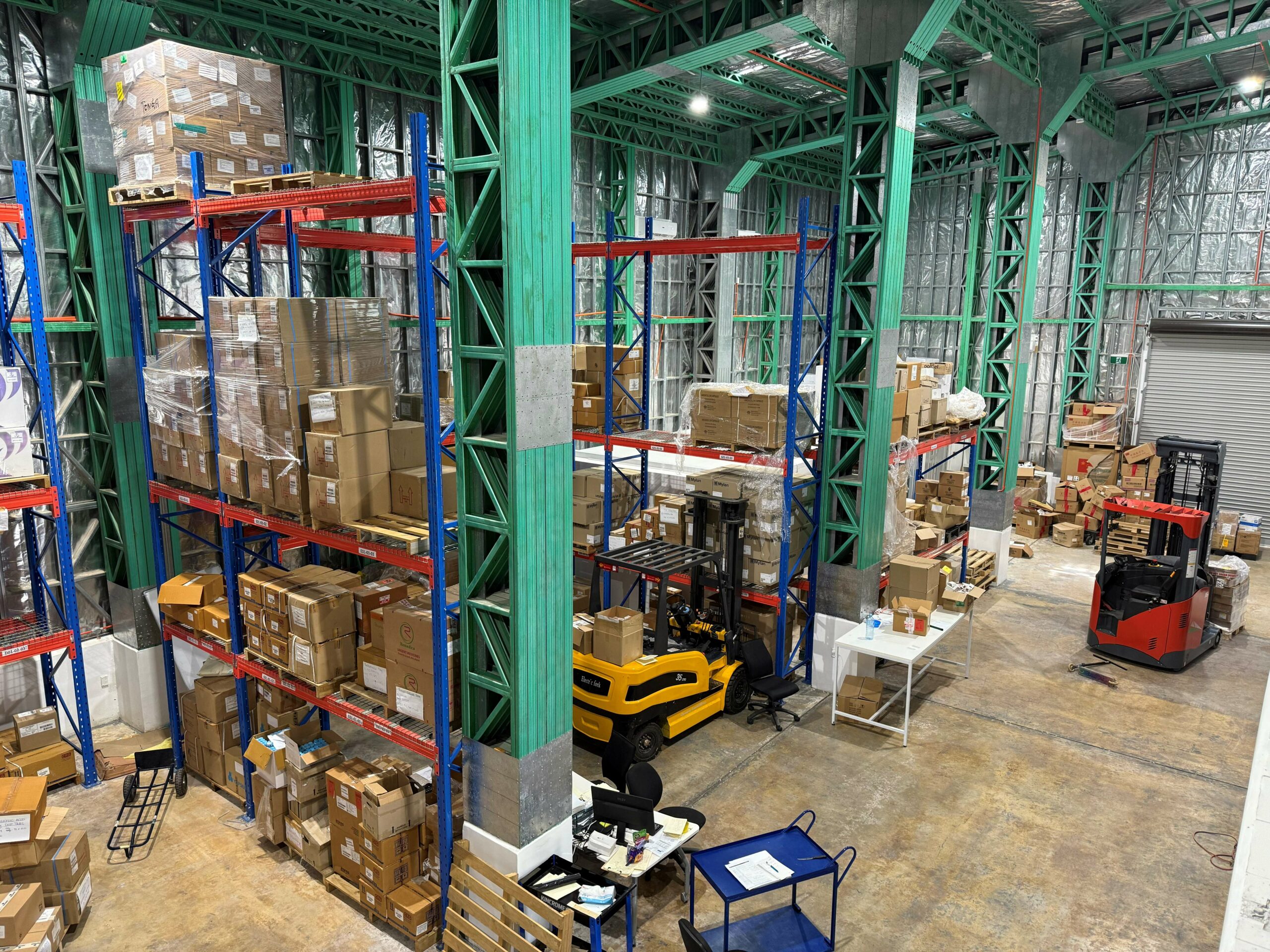
Improving stock data and management for medical supplies in Tonga
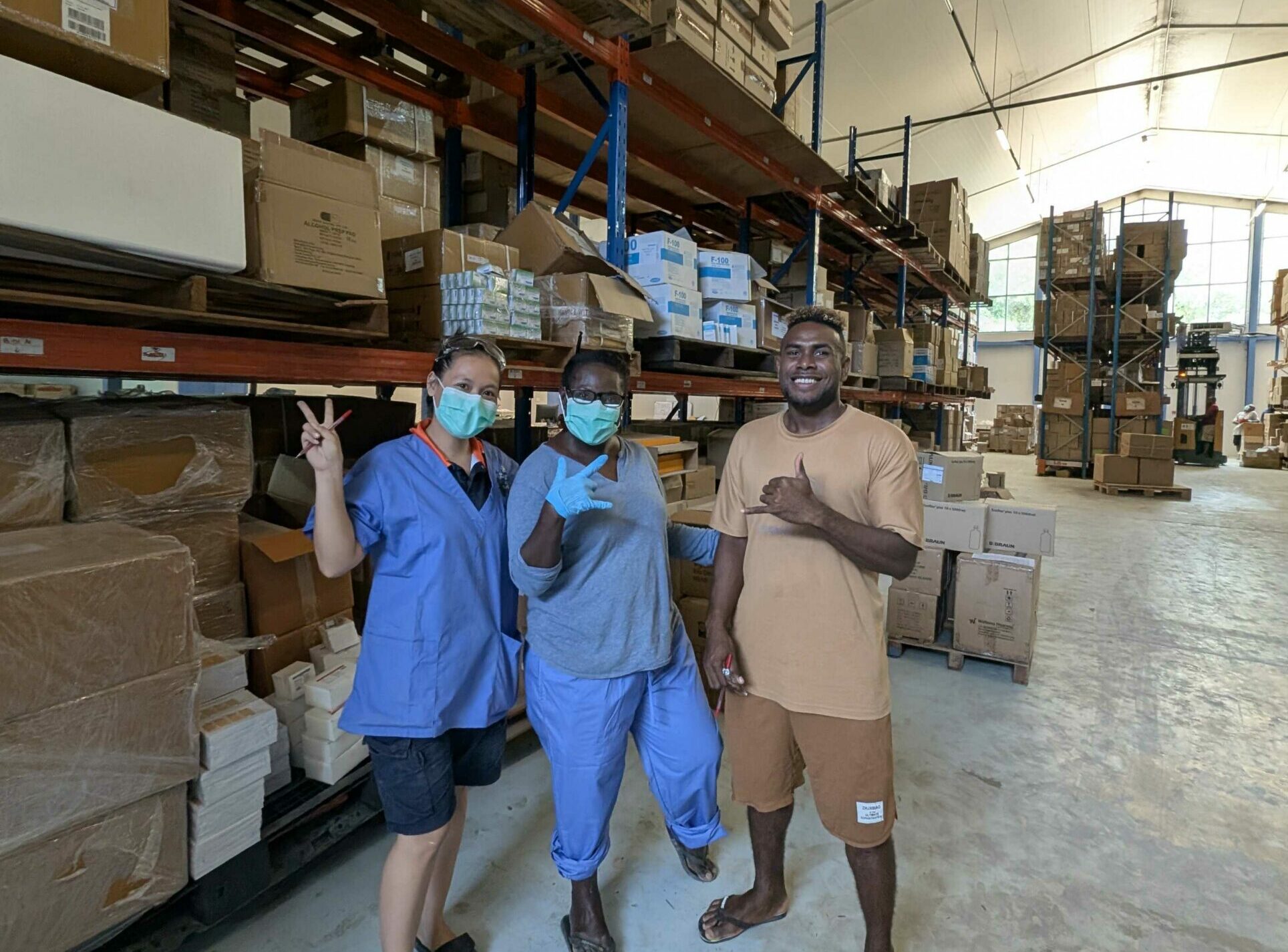
Transforming Health Supply Chains with mSupply Report Cards
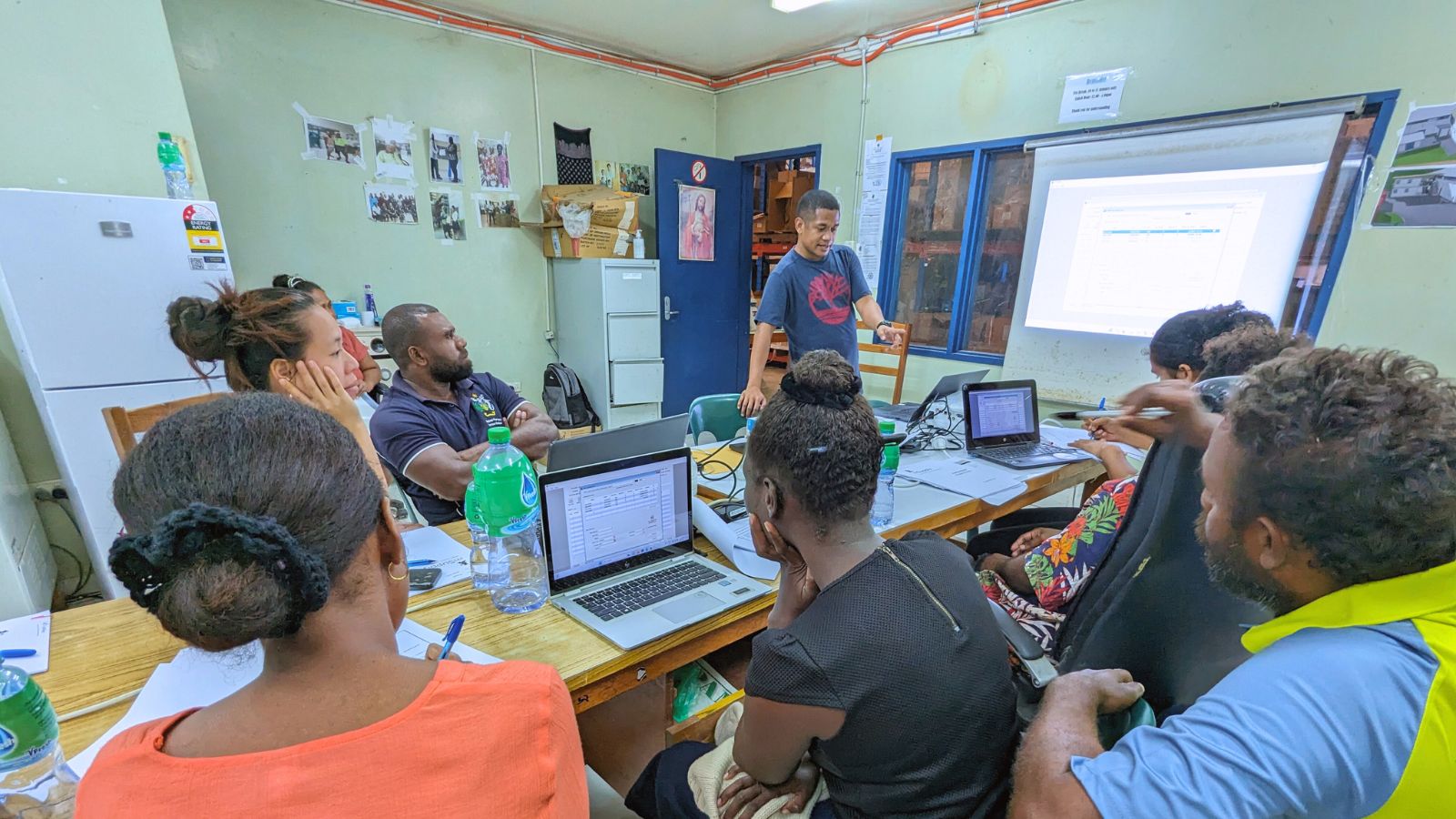
Health supply chain reform in Solomon Islands
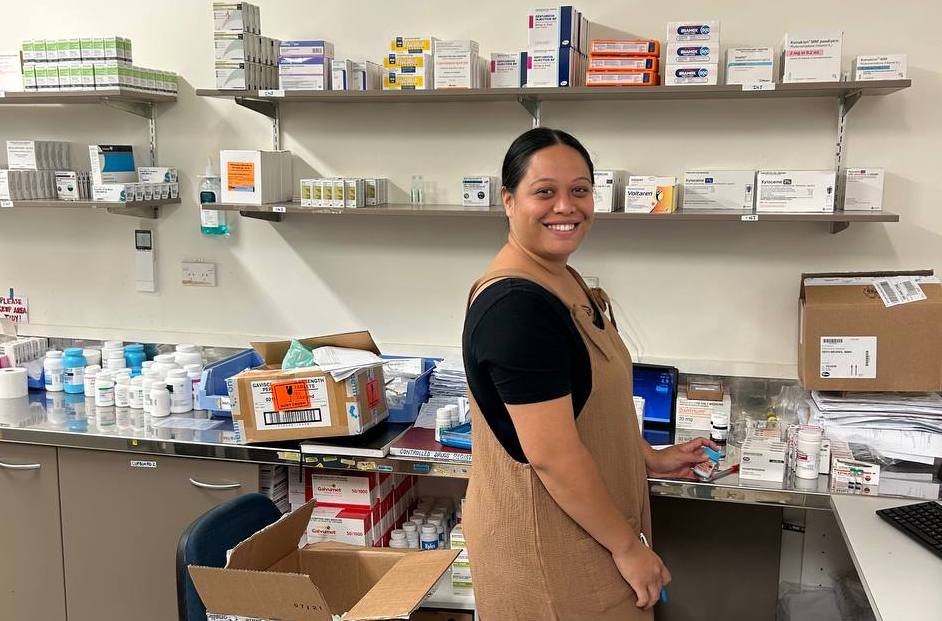
Champions of Change: skills exchange in the Pacific with the DTAC program
Software that scales
We implement mSupply, the most widely used supply chain system in low- and middle-income settings, alongside our data platform Tupaia. We work with one facility or thousands.
Supporting the Pacific
With the mSupply Foundation and New Zealand's Ministry of Foreign Affairs and Trade, we run DTAC. It provides supply chain support to six Pacific Island countries and territories.