




Clear improvements six months after digitizing the medical supplies order forms at Belau National Hospital in Palau
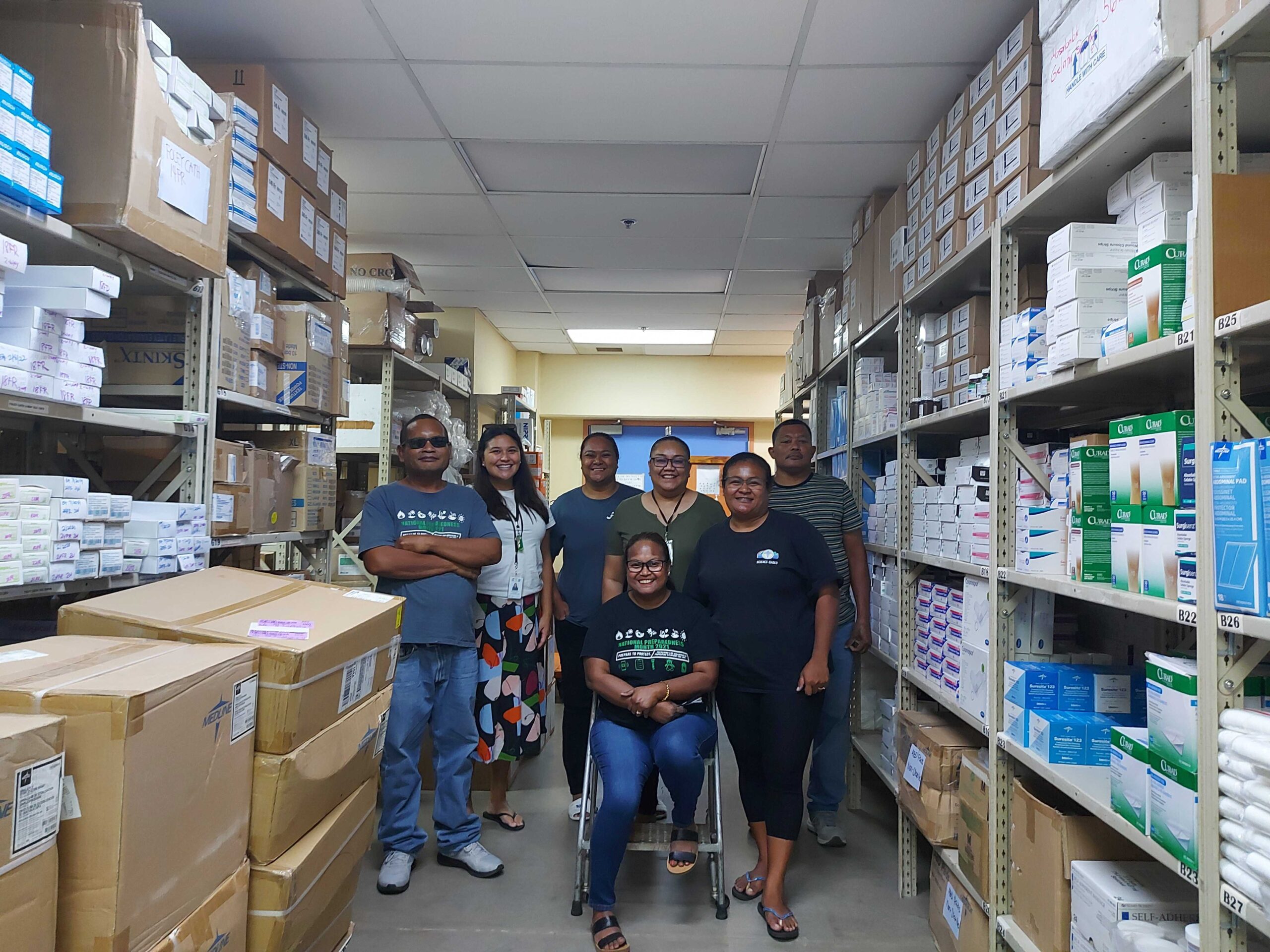
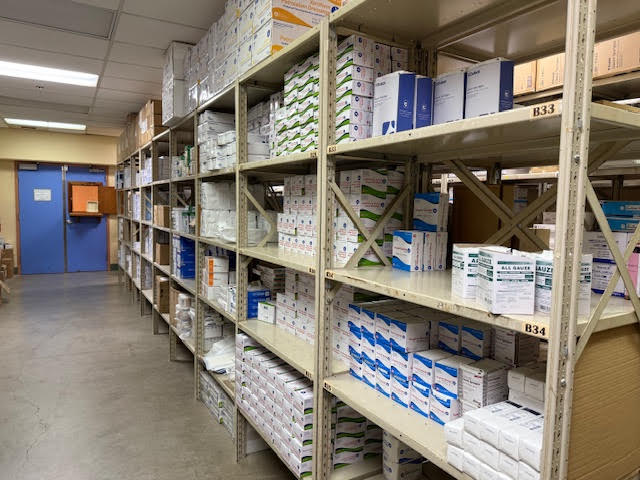
Belau National Hospital (BNH) is the only public hospital in Palau, based in Koror and serving as the referral point for the whole country. Every department and unit in the hospital, from the wards to outpatients, relies on a steady, well-managed supply of medical items to keep running. Getting that ordering process right matters, and until recently, it was still being done on paper.
At the start of 2026, the Medical Supplies team at BNH replaced handwritten order requisition forms with improved, semi-prefilled digital forms, to make ordering medical supplies easier, more consistent and quicker for hospital departments and units.
The old system asked staff to hand write the items they wanted to order and estimate the quantities needed. With more than 450 different items in the catalogue, that process was a recipe for error. Item names were easy to confuse, quantities were often just a guess, and handwriting wasn’t always legible once the form reached the supplies team.
mSupply is used at BNH to enter andfulfil orders and whilst the mSupply suite of products allows hospital wards and departments to be digitised within mSupply with a range of tools, the BNH senior team felt they needed a lower-tech solution. Taking mSupply to the wards can be a complex activity requiring extensive training, hardware and change management. The team also wanted to take a step-wise approach with a lower-tech solution that could allow them later to move towards more modern approaches.
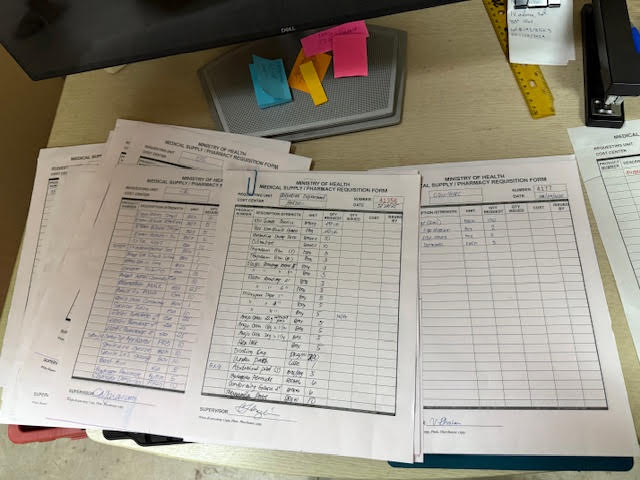
The old paper-based forms being replaced
A form that does the thinking
The new forms pull data straight from mSupply, the electronic Logistics Management Information System the medical supplies team already uses to track stock. Instead of writing out item names from memory, staff now see the items their department has ordered in the past, already listed on the form. The average quantity ordered over a two week period is also pre-filled, giving staff a sensible starting point.
The latest round of improvements, made in June 2026, went a step further. Now staff just enter how much stock they currently have on hand, and the form automatically calculates how much they need to order for the next two weeks. Each department orders enough supplies for a fortnight every week, so there is always a week of buffer stock in reserve. The forms are built in Excel and are emailed weekly to a shared medical supplies address for processing, so no separate system or login is needed to submit an order. From there, they can be easily imported into mSupply by pharmacy staff, eliminating the risk of transcription errors.
What has changed
All wards and units across Belau National Hospital are now using the new forms. The Medical Supplies team is seeing more orders processed in full, and more consistent use of items across departments, a direct result of staff no longer having to guess at names or quantities.
Darnelle Worswick, Hospital Administrator, says the change has been significant, but not without its own learning curve:
“The updated medical supplies order forms have really helped us. We’ve learnt the importance of training the Hospital Departments to use them and also taking on board their feedback to make further improvements. For example, in the latest updates to the forms, we’ve included automatic formulas for calculating order quantities and allowed Hospital Departments to submit the form by email.”
That feedback loop, listening to the departments actually filling out the forms each week, has been central to how the forms have evolved from the first version to the current one.
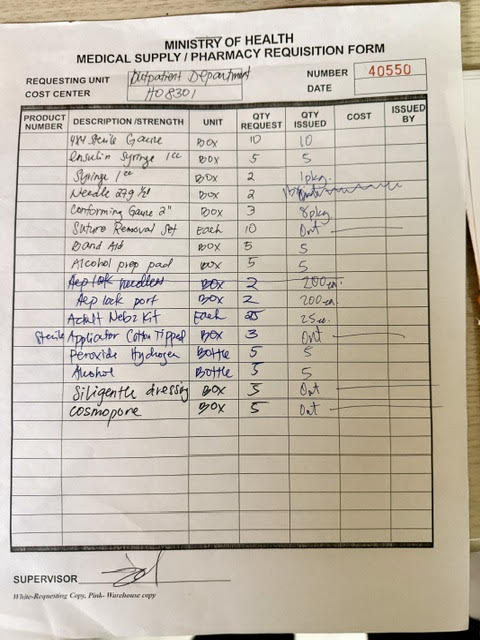
What BES did
Beyond Essential Systems (BES) Health Supply Chain Project Manager, Catherine Harris, worked with BNH staff to design and update the new medical supplies order forms, and provided training and training materials to help departments make the switch from paper to digital. The approach was discussed with the mSupply Foundation team in NZ and Nepal, who agreed it was an approach that would be easy to implement within mSupply and free to maintain within Palau’s existing support model.
Looking ahead
BES is grateful to the Australian Government for its ongoing support through the Partnerships for a Healthy Region initiative, which allows BES to provide tailored, dedicated support to Belau National Hospital in Palau. A form re-design is a small change on paper, but one that is already making ordering medical supplies faster and more reliable for every department at BNH. More importantly, it’s a demonstration that the best tools are the ones that come from understanding the context, listening to local leadership and making appropriate choices.